Roof Repair and Maintenance Services
A strong roof protects everything underneath it. It shields a building from sun, sand, and sudden rain. Yet many property owners only think about their roof when it leaks. That delay often turns a small fix into a costly project.
This guide explains roof repair and maintenance in simple terms. It covers warning signs, common problems, and proven solutions. It also shares practical tips for property owners across the UAE. By the end, readers will know exactly how to protect their investment.
Blue Hawk FZE, a trusted facility management company in Sharjah, prepared this guide. The team works with residential and commercial clients across the UAE. Their goal is simple: help every roof last longer and perform better.
Why Roof Maintenance Matters So Much
A roof faces constant stress every single day. The UAE climate makes this challenge even greater. Intense heat, dust storms, and occasional heavy rain all take a toll.
Regular maintenance catches small issues before they grow. A tiny crack today can become a major leak tomorrow. Routine checks save money, time, and stress in the long run.
Roof maintenance also protects the structure underneath. Water damage can weaken walls, ceilings, and even foundations. It can also damage furniture, equipment, and electrical systems inside the building.
Beyond protection, a well-maintained roof improves energy efficiency. Damaged insulation lets heat enter during summer months. This forces air conditioning systems to work much harder. The result is higher energy bills every single month.
Finally, a properly maintained roof increases property value. Buyers and tenants always notice a building’s condition. A solid roof signals that the entire property has been cared for properly.
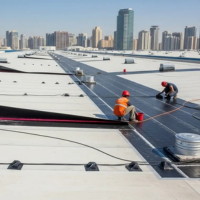
Common Roof Problems in the UAE Climate
Understanding common roof problems helps owners act early. The following issues appear frequently across residential and commercial buildings.
Sun and Heat Damage
The UAE sun is incredibly strong throughout the year. Constant UV exposure breaks down roofing materials over time. Membranes become brittle, and coatings start to crack and peel.
Heat also causes materials to expand and contract daily. This constant movement weakens seams and joints over months. Eventually, small gaps appear that allow water to seep through.
Sand and Dust Accumulation
Sand and dust build up quickly on flat roofs. This debris blocks drains and traps moisture against the surface. Trapped moisture speeds up wear and encourages material breakdown.
Dust also hides small cracks and damage from view. Without regular cleaning, problems often go unnoticed for months.
Poor Drainage and Ponding Water
Flat roofs are common across UAE commercial buildings. These roofs depend heavily on proper drainage systems. Blocked drains cause water to pool on the surface.
Standing water adds significant weight to the roof structure. It also speeds up material degradation and promotes leaks. Over time, ponding water can cause serious structural damage.
Cracked or Damaged Membranes
Roofing membranes protect the structure from water and weather. Years of heat exposure cause membranes to crack and split. Once damaged, water finds its way into the building easily.
Loose or Damaged Flashing
Flashing seals areas around chimneys, vents, and roof edges. Strong winds and heat can loosen these critical seals. Once flashing fails, water leaks become almost guaranteed.
Signs That Indicate Roof Repair Is Needed
Property owners should watch for specific warning signs regularly. Catching these signs early prevents expensive emergency repairs later.
- Water stains on ceilings or interior walls
- Visible cracks, blisters, or bubbles on the roof surface
- Pooled water that remains after rainfall
- Missing, curling, or damaged roofing materials
- Sagging areas across the roof surface
- Higher than usual energy bills each month
- Mold or mildew growth near the roofline
- Debris buildup around drains and gutters
Spotting even one sign should prompt a professional inspection. Multiple signs together usually mean repairs are needed urgently.
The Roof Inspection Process Explained
A professional inspection forms the foundation of good maintenance. Trained technicians examine every part of the roof carefully.
Visual Surface Examination
Technicians first examine the entire roof surface closely. They look for cracks, blisters, punctures, and worn areas. This step reveals obvious damage that needs immediate attention.
Drainage System Check
Inspectors then check all drains, gutters, and downspouts. They confirm water flows freely without any blockages. Clogged drains often cause hidden water damage over time.
Structural Integrity Assessment
Next, technicians assess the roof’s underlying structure. They check for sagging, soft spots, or weak areas. This step often uncovers issues that aren’t visible from above.
Flashing and Seal Inspection
Inspectors examine flashing around vents, pipes, and roof edges. They check seals for gaps, cracks, or loose sections. Damaged flashing is a leading cause of roof leaks.
Interior Inspection
A thorough inspection also includes the building’s interior. Technicians check ceilings and walls for stains or moisture. This confirms whether any leaks have already caused damage.
Most experts recommend inspections twice each year. Many also suggest extra checks after major storms.
Roof Repair Methods That Actually Work
Different roof problems require different repair approaches. Here are the most effective methods used today.
Patch Repairs for Small Damage
Patch repairs work well for small cracks and punctures. Technicians clean the area and apply a matching patch. This method is fast, affordable, and highly effective for minor damage.
Membrane Replacement
Severely damaged sections sometimes need complete membrane replacement. Technicians remove the damaged material and install fresh membrane. This restores full protection to that section of the roof.
Recoating and Resealing
Recoating adds a protective layer over the existing roof surface. This method extends the roof’s lifespan significantly. It also improves resistance against UV rays and heat.
Flashing Repair and Replacement
Damaged flashing is replaced or resealed during repairs. This step closes gaps where water commonly enters buildings. Proper flashing repair prevents many future leak problems.
Drain and Gutter Repair
Technicians also clear and repair drainage systems during repairs. This ensures water flows away from the building properly. Good drainage prevents pooling and reduces long-term damage.
Preventive Roof Maintenance Tips for Property Owners
Prevention always costs less than emergency repair work. These simple steps help extend any roof’s lifespan.
- Schedule professional inspections at least twice yearly.
- Clean debris from the roof surface regularly.
- Clear drains and gutters before the rainy season.
- Trim nearby trees to reduce debris and damage.
- Address small repairs immediately, before they spread.
- Apply protective coatings as recommended by experts.
- Keep detailed records of all inspections and repairs.
- Monitor energy bills for unexpected increases.
Following these steps keeps small problems from becoming big ones. It also helps property owners plan budgets more accurately.
Roof Maintenance for Commercial Properties
Commercial buildings often have larger, flatter roofs than homes. These roofs face unique challenges that need special attention.
Heavy equipment like HVAC units adds extra weight and stress. Foot traffic during maintenance can also damage roofing materials. Commercial roofs typically need more frequent professional inspections.
Business owners should also consider their roof’s impact on operations. A leaking roof can damage inventory, equipment, and electrical systems. It can also force temporary closures, which hurts revenue directly.
Partnering with an experienced facility management team simplifies this process. Professionals can schedule maintenance around business hours efficiently. This minimizes disruption while keeping the roof in excellent condition.
Roof Maintenance for Residential Properties
Homeowners face different but equally important roofing challenges. Pitched roofs common in villas need specific maintenance routines.
Tiles and shingles can crack or shift due to heat. Gutters often fill with sand and debris over time. Regular cleaning prevents water from backing up under roofing materials.
Homeowners should also inspect their attic or roof space periodically. Signs of moisture or daylight gaps indicate roofing problems. Catching these issues early protects the entire home’s structure.
The Cost of Ignoring Roof Problems
Many property owners delay roof repairs to save money initially. Unfortunately, this approach often backfires significantly over time.
Small leaks can lead to extensive water damage indoors. This damage often costs far more than the original repair. Mold growth from moisture also creates serious health concerns.
Structural damage from prolonged water exposure can be severe. Weakened beams or supports compromise the entire building’s safety. Repairing structural damage costs substantially more than routine maintenance ever would.
Energy costs also rise steadily with a damaged roof. Poor insulation forces cooling systems to work overtime constantly. These extra costs add up significantly across an entire year.
How Often Should a Roof Be Inspected?
Inspection frequency depends on several important factors. Building age, roof type, and local climate all matter.
Most professionals recommend inspections every six months. Buildings near construction sites may need more frequent checks. Roofs older than ten years also need closer monitoring.
Additional inspections after major storms are always wise. Strong winds and heavy rain can cause sudden damage. A quick check afterward catches problems before they worsen.
Choosing the Right Roof Maintenance Partner
Not every contractor offers the same level of expertise. Property owners should consider several factors before choosing help.
Experience matters greatly when selecting a maintenance partner. Look for teams familiar with the local climate and materials. They should understand how UAE conditions affect different roofing systems.
Proper licensing and insurance are also essential requirements. These protect property owners from liability during repair work. Always confirm credentials before signing any service agreement.
Clear communication makes the entire process much smoother. A good partner explains findings and recommendations in plain language. They should never pressure clients into unnecessary services.
Finally, look for a team offering comprehensive facility services. Roofs rarely exist in isolation from other building systems. A partner who understands electrical, HVAC, and structural systems offers more value.
Why Choose Blue Hawk FZE for Roof Services
Blue Hawk FZE brings years of facility management experience to every project. The team understands the unique demands of the UAE climate.
Every inspection follows a thorough, structured process. Technicians identify problems early and recommend practical solutions. Clients receive honest assessments without unnecessary upselling.
The company also handles repairs efficiently and professionally. From small patches to full membrane replacement, the team manages it all. Clients enjoy minimal disruption and lasting results.
Beyond roofing, Blue Hawk FZE offers complete building solutions. Services include electrical work, HVAC systems, cleaning, and security. This comprehensive approach saves clients time and simplifies vendor management.
If a building in the UAE needs roof repair or maintenance, contact Blue Hawk FZE today. The team is ready to inspect, advise, and protect any property.
Frequently Asked Questions
How often should commercial roofs be inspected in the UAE? Most commercial roofs need inspection every six months. Buildings with heavy rooftop equipment may need more frequent checks.
What is the average lifespan of a roof in the UAE? Lifespan varies by material and maintenance quality. With proper care, most roofs last between fifteen and twenty-five years.
Can small roof cracks be repaired without full replacement? Yes, small cracks usually only need patch repairs. Full replacement is only necessary for extensive or widespread damage.
Does roof maintenance really reduce energy bills? Yes, a well-maintained roof improves insulation significantly. This reduces strain on air conditioning systems and lowers energy costs.
What causes most roof leaks in flat-roof buildings? Most leaks come from blocked drains and damaged flashing. Ponding water and cracked membranes also cause frequent leaks.
Is roof maintenance necessary if there are no visible leaks? Yes, many problems develop before leaks become visible. Regular inspections catch hidden issues before they cause damage.
How quickly should a roof leak be repaired? Leaks should be repaired immediately after discovery. Delays often lead to structural damage and higher repair costs.
Does Blue Hawk FZE offer emergency roof repair services? Yes, the team responds promptly to urgent roofing issues. Contact Blue Hawk FZE directly to discuss emergency support options.
Final Thoughts
A roof works hard every single day to protect a building. Regular inspection and maintenance keep it performing at its best. Ignoring small problems almost always leads to bigger expenses later.
Property owners across the UAE face unique climate challenges. Heat, sand, and occasional storms all stress roofing systems constantly. Partnering with experienced professionals makes managing these challenges much easier.
If you need any building services in the UAE, contact Blue Hawk FZE today. The team is ready to help protect your property, starting with the roof above.
Blue Hawk FZE SPC Free Zone, Sharjah, U.A.E.
Phone: +971 50 439 1593
Email: admin@bluehawkfze.com
Leave a Reply