HVAC System: Types, Benefits & Maintenance Tips
Every modern building depends on one silent hero. That hero is the HVAC system. It keeps homes cool, offices fresh, and warehouses comfortable. Yet most people rarely think about it until it stops working. This guide explains everything about HVAC systems in simple terms. It covers types, benefits, components, and maintenance needs. By the end, readers will understand why this system matters so much. They will also learn how to keep it running well for years.
What Is an HVAC System?
HVAC stands for Heating, Ventilation, and Air Conditioning. It is a single system that manages indoor climate control. The system regulates temperature, humidity, and air quality together. It works in homes, offices, hospitals, malls, and factories alike. Without it, indoor spaces would feel uncomfortable or even unsafe.
The system does three main jobs at once. First, it heats indoor air during colder months. Second, it cools indoor air during hot seasons. Third, it ventilates spaces by moving fresh air inside. This combination keeps indoor environments healthy and pleasant. It also controls moisture levels to prevent mold growth.
In the U.A.E., HVAC systems work extra hard most of the year. The desert climate brings intense heat and high humidity. A reliable system is not a luxury here. It is a basic requirement for safe, livable buildings.
Why HVAC Systems Matter So Much
People often underestimate how much an HVAC system affects daily life. Indoor air quality affects health, focus, and overall comfort. A poorly maintained system can spread dust, allergens, and bacteria. A well-maintained one keeps air clean and breathable.
Temperature control also affects productivity in workplaces. Employees work better in comfortable, well-ventilated offices. Customers stay longer in shops with pleasant indoor temperatures. Hospitals rely on HVAC systems to protect vulnerable patients. Schools need stable temperatures to help children concentrate.
Energy efficiency is another major reason HVAC systems matter. Heating and cooling account for a huge share of energy bills. An efficient system reduces electricity costs significantly over time. It also reduces a building’s overall carbon footprint. This makes HVAC performance both a financial and environmental issue.
Core Components of an HVAC System
Understanding the parts helps owners spot problems early. Most systems share several essential components, no matter the size.
1. Furnace or Heat Pump
This component generates heat for the building. Furnaces burn fuel or use electricity to create warmth. Heat pumps transfer heat instead of generating it directly. Heat pumps work well in moderate climates throughout the year.
2. Air Conditioner or Chiller
This part removes heat and humidity from indoor air. It uses refrigerant to absorb heat and release it outside. Large commercial buildings often use chillers instead of standard units. Chillers cool water, which then cools the entire building.
3. Ductwork
Ducts carry heated or cooled air throughout the building. Poorly sealed or dirty ducts waste energy and reduce airflow. Regular duct cleaning improves both efficiency and air quality. Leaky ducts can raise energy bills without anyone noticing.
4. Thermostat
The thermostat controls temperature settings for the entire system. Smart thermostats learn user habits and adjust automatically. They help save energy by avoiding unnecessary heating or cooling. Many modern thermostats connect to smartphone apps too.
5. Ventilation System
Ventilation brings fresh outdoor air into the building. It also pushes stale indoor air back outside. Good ventilation reduces odors, pollutants, and excess humidity. It plays a key role in preventing airborne illness spread.
6. Air Filters
Filters trap dust, pollen, and other airborne particles. Clean filters protect both air quality and system performance. Dirty filters force the system to work harder than needed. This often leads to higher energy bills and breakdowns.
Types of HVAC Systems
Not every building needs the same type of system. The right choice depends on size, layout, and climate needs.
Split Systems
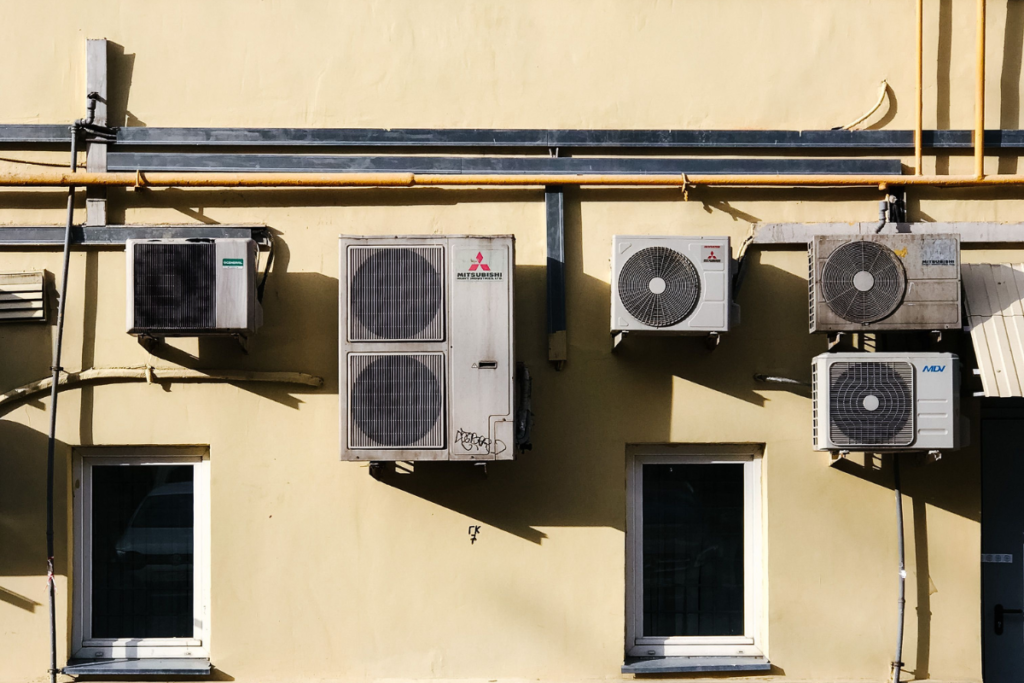
Split systems are the most common residential choice worldwide. They have one unit outside and one unit inside. The outdoor unit contains the compressor and condenser coil. The indoor unit contains the evaporator coil and air handler. Split systems work well for homes and small offices.
Packaged Systems
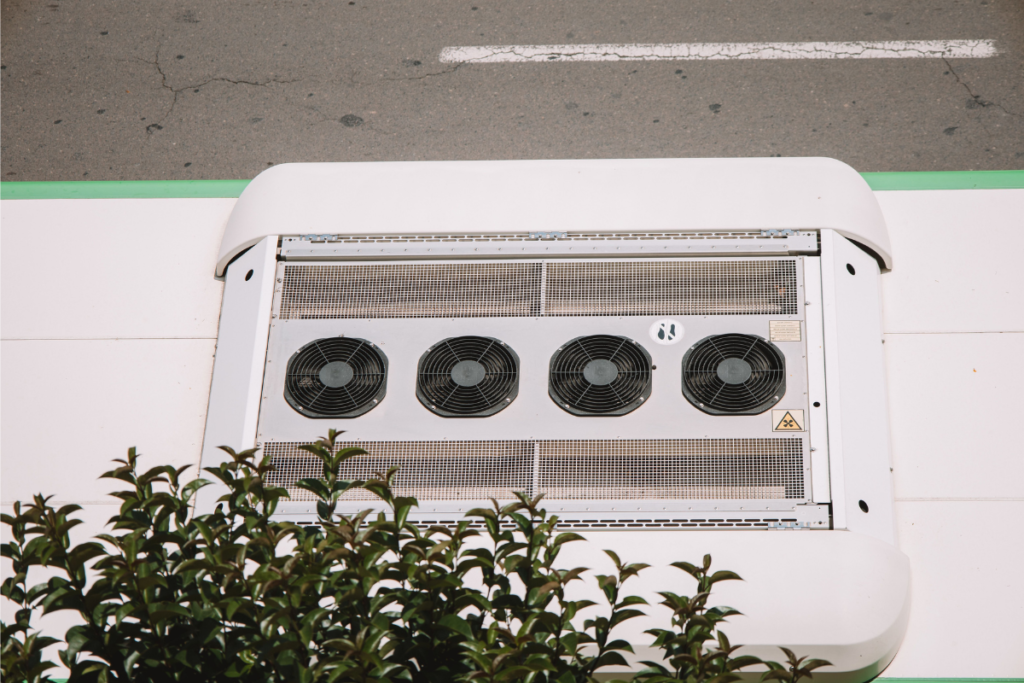
Packaged systems combine all components into a single outdoor unit. They suit buildings with limited indoor space for equipment. Many commercial rooftops use packaged units for this reason. Installation is often simpler compared to split systems.
Ductless Mini-Split Systems
Mini-splits skip ductwork entirely and connect directly to rooms. Each room can have its own temperature setting. This makes them ideal for room additions or older buildings. They also tend to be more energy-efficient than ducted systems.
Central Air Systems
Central systems use ducts to distribute air throughout a building. One unit cools or heats the entire space at once. They suit larger homes, offices, and commercial properties well. Central systems require regular duct inspection and cleaning.
VRF and VRV Systems
Variable Refrigerant Flow systems serve large commercial buildings efficiently. They allow different zones to have different temperatures. This flexibility makes them popular in hotels, malls, and offices. VRF systems also tend to use less energy than older designs.
Hybrid Systems
Hybrid systems switch between gas and electric power automatically. They choose whichever option is more efficient at the time. This flexibility helps reduce energy costs throughout the year. Hybrid systems work well in regions with variable weather patterns.
How HVAC Systems Work: A Simple Breakdown
The basic HVAC cycle is easier to understand than it seems. Refrigerant flows through coils, absorbing and releasing heat repeatedly. The compressor pressurizes refrigerant gas to raise its temperature. The condenser then releases that heat outside the building.
Next, the refrigerant cools and turns back into a liquid. It moves to the evaporator coil inside the building. There, it absorbs heat from indoor air, cooling the room. Fans then push this cooled air through ducts or vents.
For heating, the process works in a similar but reversed way. Heat pumps extract warmth from outside air, even in winter. Furnaces instead burn fuel or use electric coils to create heat. Either way, fans distribute warm air through the building’s ducts.
Ventilation runs alongside heating and cooling at all times. Fresh air enters while stale air exits continuously. This balance keeps indoor air healthy without large temperature swings.
Benefits of a Well-Functioning HVAC System
A properly working system delivers more than just comfort. Its benefits touch health, finances, and even property value.
- Improved indoor air quality: Filters and ventilation remove harmful particles from the air.
- Better energy efficiency: Modern systems use less electricity for the same comfort level.
- Consistent temperature control: Every room stays comfortable, regardless of outdoor weather.
- Reduced humidity problems: Proper systems prevent mold, mildew, and musty odors.
- Lower long-term repair costs: Regular use without strain extends equipment lifespan.
- Higher property value: Buyers and tenants prefer buildings with reliable climate control.
- Quieter indoor environments: Well-installed systems run smoothly without constant noise.
These benefits compound over time when systems receive proper care. Neglected systems lose efficiency and become costlier to run.
Signs Your HVAC System Needs Attention
Many HVAC problems show warning signs long before total failure. Catching these signs early saves money and prevents discomfort.
Unusual noises like grinding, banging, or squealing often signal trouble. These sounds usually mean a mechanical part needs inspection. Strange odors, especially musty or burning smells, also demand attention. They can indicate mold growth or electrical issues inside the unit.
Inconsistent temperatures across rooms suggest airflow or ductwork problems. Some rooms may feel too hot while others stay too cold. Rising energy bills without increased usage often point to reduced efficiency. The system may be working harder to deliver the same results.
Frequent cycling on and off can indicate thermostat or sizing issues. Weak airflow from vents often means clogged filters or duct leaks. Visible moisture or leaks near the unit should never be ignored. These signs all suggest it is time for professional inspection.
HVAC Maintenance: What Owners Should Know
Routine maintenance keeps HVAC systems running efficiently for many years. Skipping maintenance often leads to expensive emergency repairs later.
Filter Replacement
Filters should be checked monthly and replaced every one to three months. Dirty filters reduce airflow and strain the entire system. This simple task is one of the easiest ways to protect equipment.
Coil Cleaning
Both evaporator and condenser coils collect dirt over time. Dirty coils reduce the system’s ability to absorb and release heat. Professional cleaning restores efficiency and prevents overheating problems.
Ductwork Inspection
Ducts should be inspected for leaks, blockages, or dust buildup. Sealed, clean ducts improve airflow and reduce energy waste. This step matters especially in dusty climates like the U.A.E.
Thermostat Calibration
An inaccurate thermostat wastes energy by overcooling or overheating spaces. Calibration ensures the system responds to real temperature changes. Smart thermostat updates also help maintain accuracy over time.
Refrigerant Level Checks
Low refrigerant levels reduce cooling power and strain the compressor. Technicians check for leaks and refill refrigerant when necessary. This task always requires a licensed, trained professional.
Seasonal Tune-Ups
Many experts recommend two professional tune-ups every year. One should happen before summer and one before winter. This timing prepares the system for the season’s heaviest workload.
HVAC Challenges Specific to the U.A.E. Climate
The U.A.E.’s climate places unique demands on HVAC systems. Summer temperatures often exceed forty-five degrees Celsius for months. This forces systems to run almost continuously during peak season.
High humidity along coastal cities adds another layer of strain. Systems must remove moisture while also cooling indoor air. Dust storms are common and can clog filters quickly. This makes frequent filter checks especially important in this region.
Buildings here also tend to need larger, more powerful systems. Oversized cooling loads mean equipment works harder than in milder climates. This increases wear and raises the importance of regular servicing. Choosing energy-efficient systems becomes essential to control rising electricity costs.
Commercial properties like malls, hotels, and warehouses face added pressure. They must maintain comfort for large crowds throughout long operating hours. This makes professional facility management support extremely valuable here.
Choosing the Right HVAC System for Your Property
Selecting the correct system depends on several important factors. Property size determines how much cooling or heating capacity is needed. Building layout affects whether ducted or ductless systems work better.
Budget plays a role in both upfront and long-term costs. Energy-efficient systems often cost more initially but save money later. Climate conditions in the specific location also matter greatly. A villa in a hot, dry area has different needs than a coastal office tower.
Usage patterns matter too, especially for commercial spaces. A warehouse with constant foot traffic needs different settings than an empty storage unit. Working with experienced professionals helps property owners avoid costly mistakes. Expert guidance ensures the chosen system matches actual building needs.
The Role of Professional HVAC Services
DIY fixes might handle small issues, but HVAC systems are complex. Professional technicians bring training, tools, and experience to every job. They diagnose problems accurately instead of guessing at causes.
Professionals also understand local building codes and safety standards. This matters greatly for commercial properties with strict compliance needs. Regular professional servicing extends equipment lifespan significantly over time. It also helps maintain manufacturer warranties, which often require documented maintenance.
Facility management companies offer an added advantage for property owners. They handle HVAC alongside other building systems in one place. This integrated approach saves time and simplifies maintenance scheduling. Owners get one trusted contact instead of juggling multiple vendors.
How HVAC Systems Support Sustainability Goals
Modern HVAC systems play a growing role in sustainability efforts. Energy-efficient units reduce electricity consumption and lower carbon emissions. Many newer systems use eco-friendly refrigerants with lower environmental impact.
Smart controls help reduce waste by adjusting settings automatically. They lower output when spaces are empty or less active. Regular maintenance also supports sustainability by keeping systems efficient. An efficient system uses fewer resources to deliver the same comfort.
Businesses increasingly value sustainable building practices for branding and compliance. Upgrading to efficient HVAC systems supports these broader environmental goals. It also often qualifies properties for green building certifications.
Common HVAC Myths Debunked
Several misconceptions about HVAC systems persist among property owners.
Myth: Bigger systems always cool better. Oversized systems often cycle too quickly and waste energy. Correct sizing matters more than raw power output.
Myth: Closing vents in unused rooms saves energy. This can actually increase pressure and strain the system. Most modern systems work best with all vents open.
Myth: Filters only matter for air quality. Filters also protect mechanical parts from dust damage. Skipping replacements can shorten the system’s overall lifespan.
Myth: HVAC systems only need attention when broken. Preventive maintenance is far cheaper than emergency repairs. Waiting for failure often leads to higher long-term costs.
Frequently Asked Questions
1. How often should an HVAC system be serviced? Most systems need professional servicing twice a year. Schedule one visit before summer and one before winter.
2. How long does an HVAC system typically last? Most systems last between fifteen and twenty years with proper care. Regular maintenance helps systems reach their maximum lifespan.
3. What size HVAC system does my building need? Sizing depends on square footage, insulation, and local climate conditions. A professional assessment gives the most accurate recommendation.
4. Can a dirty filter really damage my HVAC system? Yes, dirty filters restrict airflow and force the system to overwork. This can lead to overheating and early component failure.
5. Is it worth upgrading to a smart thermostat? Smart thermostats often reduce energy bills by optimizing daily usage. They also offer convenient remote control through mobile apps.
6. Why does my HVAC system struggle during U.A.E. summers? Extreme heat and humidity push systems to their maximum capacity daily. Regular maintenance and proper sizing help systems cope better.
7. Should I repair or replace an aging HVAC system? Frequent repairs often signal it is time to replace. Rising energy bills are another clear warning sign. A professional inspection confirms the best option for your budget.
Final Thoughts
An HVAC system does far more than control temperature alone. It protects health, supports productivity, and reduces long-term costs. Understanding its components and needs helps owners make smarter decisions. Regular maintenance remains the simplest way to avoid bigger problems.
In a climate as demanding as the U.A.E., professional support matters even more. Reliable systems require expert installation, regular checks, and timely repairs. Property owners who invest in proper HVAC care protect their investment for years.
If you need any building services in the U.A.E., contact us. Blue Hawk FZE offers trusted HVAC, electrical, and facility management solutions across Sharjah and the wider U.A.E. Our team is ready to keep your property comfortable, efficient, and well-maintained all year round.
Blue Hawk FZE SPC Free Zone, Sharjah, U.A.E.
Phone: +971 50 439 1593
Email: admin@bluehawkfze.com
Leave a Reply