Plastering and Wall Repair: A Complete Guide for Property Owners
Walls do more than hold a building together. They shape how a space feels, looks, and performs over time. When plaster cracks or chips away, the whole property suffers. That is why plastering and wall repair remain essential parts of facility management across the UAE.
This guide explains everything property owners need to know. It covers causes, methods, materials, and maintenance tips. It also explains why professional help matters more than most people realize.
What Is Plastering and Why Does It Matter?
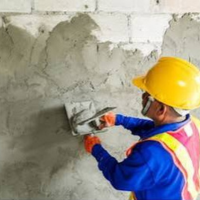
Plastering is the process of applying a smooth coating to walls and ceilings. This coating protects the underlying structure from moisture, heat, and daily wear. It also creates a clean surface ready for paint or decoration.
Without proper plaster, walls absorb moisture faster. They crack under temperature changes. They lose their visual appeal within a short time. Good plastering extends a building’s lifespan significantly.
In the UAE, extreme heat and occasional humidity create unique challenges. Walls expand and contract throughout the year. This constant movement stresses plaster more than in milder climates. Property owners here need plastering solutions built for these conditions.
Common Causes of Wall Damage in the UAE
Understanding why walls fail helps owners prevent future problems. Several factors contribute to plaster damage across residential and commercial properties.
Extreme Temperature Fluctuations
UAE summers push temperatures above 45 degrees Celsius regularly. Walls absorb this heat throughout the day. They then cool rapidly at night. This cycle causes materials to expand and contract repeatedly.
Over months and years, this movement creates stress cracks. Plaster that lacks flexibility cannot handle these shifts well. Cracks often appear first near windows, doors, and corners.
Moisture and Humidity Exposure
Coastal cities like Sharjah and Dubai experience seasonal humidity spikes. Moisture seeps into walls through small gaps or poor sealing. This trapped moisture weakens plaster from the inside out.
Bathrooms, kitchens, and basements face the highest risk. Without proper waterproofing, these areas develop bubbling or peeling plaster. Mold growth often follows untreated moisture damage.
Structural Settling and Movement
All buildings settle slightly after construction. This natural process can stretch over several years. As foundations shift, walls experience subtle pressure changes.
This pressure often shows up as hairline cracks first. Left unaddressed, these cracks widen and spread. Eventually, they affect larger sections of the wall surface.
Poor Initial Workmanship
Not all plastering jobs meet the same quality standard. Rushed application or incorrect mixing ratios cause early failures. Walls plastered poorly often need repairs within just a few years.
This is why hiring experienced professionals matters from the start. Quality work upfront saves money on repairs later. It also protects the building’s structural integrity over time.
Impact Damage and Daily Wear
Commercial properties face constant foot traffic and furniture movement. Accidental impacts create dents, holes, and chipped corners. Residential spaces experience similar wear from daily activities.
These smaller damages might seem minor at first. However, untreated impact damage can expose walls to further deterioration. Quick repairs prevent small issues from becoming larger problems.
Types of Plastering and Wall Repair Services
Different damage types require different repair approaches. Understanding these options helps owners choose the right solution.
Crack Repair and Filling
Hairline cracks need careful attention before they expand. Professionals first assess whether cracks are cosmetic or structural. This distinction determines the right repair method.
Cosmetic cracks typically need filling and resurfacing. Structural cracks require deeper investigation and reinforcement. Skipping this assessment often leads to repeated cracking later.
Patch Plastering
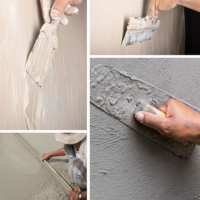
Patch plastering addresses localized damage like holes or dents. Technicians remove damaged material first. They then apply fresh plaster matching the surrounding texture.
This method works well for smaller, isolated damage areas. It is faster and more cost-effective than full wall replastering. Skilled application ensures the patch blends seamlessly.
Full Wall Replastering
Extensive damage sometimes requires removing all old plaster. Technicians strip the wall down to its base material. They then apply a complete new plaster layer.
This approach suits walls with widespread cracking or moisture damage. It provides a fresh, durable surface built to last. Full replastering also allows for upgraded materials if needed.
Waterproof Plastering Solutions
Moisture-prone areas benefit from specialized waterproof plaster systems. These materials resist water penetration far better than standard plaster. They are ideal for bathrooms, kitchens, and exterior walls.
Waterproof plastering also helps prevent mold and mildew growth. This protects both the wall structure and indoor air quality. It is a smart investment for humid climates like the UAE.
Decorative and Textured Plastering
Some properties want more than a smooth, flat finish. Decorative plastering adds texture, patterns, or unique visual effects. This option suits both residential and commercial design goals.
Textured finishes can also hide minor wall imperfections effectively. They add character while maintaining the wall’s protective function. Many businesses choose decorative plaster for reception areas and lobbies.
The Professional Wall Repair Process
A structured process ensures lasting results and avoids wasted effort. Here is how experienced teams typically approach wall repair projects.
Step One: Initial Inspection
Every project starts with a thorough wall assessment. Technicians check for cracks, moisture, and structural concerns. This step identifies the root cause of the damage.
Skipping inspection often leads to repeated repairs down the line. A proper diagnosis saves both time and money overall. It also helps determine the right materials for the job.
Step Two: Surface Preparation
Before applying new plaster, surfaces need careful preparation. This includes removing loose material and cleaning the area thoroughly. Proper preparation ensures strong adhesion for new plaster layers.
Technicians also check for underlying moisture issues at this stage. Any dampness must be resolved before plastering begins. Applying plaster over wet surfaces leads to early failure.
Step Three: Material Selection
Different walls and conditions call for different plaster types. Gypsum plaster suits dry interior walls effectively. Cement-based plaster works better for exterior or moisture-prone areas.
Experienced teams match materials to each specific situation. This choice directly affects how long repairs will last. Using the wrong material often shortens a wall’s lifespan.
Step Four: Application and Smoothing
Skilled application makes a significant difference in final results. Technicians apply plaster in even, controlled layers. They smooth each layer carefully before it sets completely.
This stage requires both experience and attention to detail. Rushed application often creates uneven surfaces or weak spots. Patience during this step ensures a professional finish.
Step Five: Curing and Finishing
Plaster needs adequate time to cure properly after application. Rushing this stage compromises the wall’s final strength. Proper curing also prevents future cracking issues.
Once cured, walls receive final sanding and finishing touches. This prepares the surface perfectly for paint or decoration. The result is a smooth, durable, and attractive wall.
Benefits of Professional Plastering and Wall Repair
Choosing professional services delivers advantages that go beyond appearances. Here is why this investment makes sense for any property.
Long-Lasting Results
Professional plastering uses quality materials and proven techniques. This combination creates walls that last significantly longer. Property owners avoid frequent, costly repeat repairs.
Improved Property Value
Well-maintained walls boost a property’s overall appeal and value. Buyers and tenants notice clean, crack-free surfaces immediately. This attention to detail reflects well on the entire property.
Better Energy Efficiency
Properly sealed and plastered walls improve insulation performance. This helps regulate indoor temperatures more effectively. Lower energy bills often follow quality wall repairs.
Enhanced Safety
Structural cracks can signal deeper safety concerns within a building. Professional assessment catches these issues before they worsen. This protects both the property and its occupants.
Time and Cost Savings
DIY repairs often lead to mistakes that cost more later. Professionals get the job done right the first time. This saves owners from paying for repeated fixes.
Why Plastering Matters for Facility Management
Facility management covers far more than daily cleaning and maintenance. It includes protecting a building’s structural and visual integrity. Plastering plays a central role in this responsibility.
Regular wall inspections should be part of every maintenance schedule. Catching small cracks early prevents expensive structural repairs later. This proactive approach saves money over a building’s lifetime.
Commercial properties especially benefit from consistent wall maintenance. First impressions matter for clients, tenants, and visitors. Clean, well-maintained walls communicate professionalism and care.
Residential properties also gain from regular plaster upkeep. Homeowners protect their investment and living comfort simultaneously. Small, consistent maintenance prevents larger renovation costs down the road.
Choosing the Right Wall Repair Provider in the UAE
Not every contractor delivers the same quality of work. Property owners should consider several factors before hiring help.
Experience with Local Conditions
The UAE’s climate creates specific challenges for plastering work. Providers should understand heat, humidity, and material behavior here. Local experience often makes a noticeable difference in results.
Use of Quality Materials
Ask providers about the materials they use for repairs. Quality plaster and waterproofing products last much longer. Cheaper materials may save money upfront but cost more later.
Transparent Process and Communication
Reliable providers explain their inspection findings clearly. They outline the repair process before starting any work. This transparency builds trust and avoids surprises later.
Comprehensive Service Offerings
Many properties need more than just plastering help. Choosing a provider offering broader facility management services simplifies maintenance. This includes electrical, HVAC, and general building repair support.
Maintenance Tips to Extend Wall Life
Property owners can take simple steps to protect their walls between professional services.
Inspect walls regularly for small cracks or discoloration. Address moisture sources quickly, including leaks or condensation. Avoid hanging heavy items without proper wall anchors.
Keep gutters and drainage systems clear around the property. This prevents water from pooling near exterior walls. Schedule periodic professional inspections, even without visible damage.
These small habits help walls stay strong for years longer. They also reduce the likelihood of sudden, costly repairs. Consistent care always costs less than emergency fixes.
Frequently Asked Questions
How often should walls be inspected for plaster damage?
Most properties benefit from annual wall inspections. Buildings in humid or high-traffic areas may need more frequent checks. Regular inspections catch problems while they remain small and affordable.
Can hairline cracks be a sign of serious structural problems?
Not always, but they should never be ignored completely. Some hairline cracks are purely cosmetic and harmless. Others indicate underlying structural movement that needs professional assessment.
How long does plaster typically last before needing repair?
Quality plaster can last fifteen to twenty years with proper care. Climate, material quality, and maintenance all affect this lifespan. UAE conditions may shorten this timeline without proper upkeep.
Is waterproof plastering necessary for every room?
Waterproof plastering is most important in moisture-prone areas. This includes bathrooms, kitchens, and exterior walls. Dry interior rooms typically need standard plaster instead.
What is the difference between patch repair and full replastering?
Patch repair fixes small, isolated damage areas only. Full replastering replaces the entire wall surface completely. The right choice depends on the extent of existing damage.
Can plastering help improve a building’s energy efficiency?
Yes, properly applied plaster improves insulation and air sealing. This helps regulate indoor temperatures more consistently throughout the year. Better insulation often leads to lower energy costs.
How long does a typical wall repair project take?
Timelines vary based on damage extent and area size. Small patch repairs may finish within a single day. Full replastering projects can take several days to complete properly.
Should I attempt DIY plaster repairs to save money?
Minor cosmetic touch-ups may be manageable for some owners. However, structural cracks and larger repairs need professional expertise. Mistakes in DIY repairs often cost more to fix later.
Final Thoughts on Plastering and Wall Repair
Walls form the foundation of any property’s appearance and safety. Cracks, moisture damage, and wear are common but manageable problems. Professional plastering and wall repair solve these issues effectively.
The UAE’s climate makes proactive wall maintenance especially important. Extreme heat and humidity test materials in unique ways. Quality workmanship and the right materials make all the difference.
Property owners who invest in regular wall care protect their assets long-term. They also create safer, more attractive spaces for everyone who uses them. Professional support makes this process simple and stress-free.
If you need any building services in the UAE, contact us. Blue Hawk FZE delivers reliable plastering, wall repair, and complete facility management solutions across Sharjah and the wider UAE. Our experienced team is ready to help restore and protect your property today.
Leave a Reply