Painting and Surface Finishing: Guide for Property Owners
Every building tells a story through its walls. The colors, textures, and finishes speak volumes about the people who own the space. That is why painting and surface finishing matter so much. They are not just about looking good. They protect surfaces, increase property value, and create a lasting first impression.
This guide explores everything property owners need to know about painting and surface finishing. It covers techniques, materials, benefits, and maintenance tips. Whether managing a villa, an office, or a commercial complex, this article has something useful to offer.
What Is Painting and Surface Finishing?
Painting and surface finishing refer to the process of applying protective and decorative coatings to surfaces. These surfaces include walls, ceilings, floors, metal structures, and wood elements. The goal is twofold. First, it enhances the visual appeal of a space. Second, it shields surfaces from damage caused by weather, moisture, and daily wear.
Surface finishing goes beyond simple paint application. It includes preparing surfaces, choosing the right materials, and applying coatings with precision. Each step plays a role in the final outcome. Skipping any step often leads to poor results and early wear.
Many people use the terms painting and surface finishing interchangeably. However, surface finishing is a broader concept. It covers texturing, varnishing, sealing, and other treatments beyond standard paint. Together, these processes create surfaces that look beautiful and perform well over time.
Why Painting and Surface Finishing Matter for Every Property
Painting is often seen as a cosmetic upgrade. In reality, it offers far more value than appearance alone. Property owners who understand these benefits make smarter decisions about maintenance and upgrades.
Protection Against Environmental Damage
The UAE climate is harsh on building exteriors. Intense sun, high humidity, and occasional sandstorms test every surface. Quality paint and finishes act as a barrier against these elements. They prevent moisture penetration, reduce heat absorption, and resist UV degradation.
Without proper protection, surfaces deteriorate quickly. Cracks appear. Mold grows in damp corners. Metal structures rust faster than expected. Regular painting and finishing prevent these issues before they start.
Increased Property Value
A freshly painted property looks well-maintained and cared for. This impression matters greatly during property sales or rentals. Buyers and tenants notice clean, vibrant surfaces immediately. They often pay more for spaces that look fresh and modern.
Surface finishing also extends the life of building materials. This reduces long-term repair costs. Investors see painting as a low-cost upgrade with high returns. It remains one of the most affordable ways to boost property appeal.
Improved Health and Hygiene
Old, peeling paint can harbor dust, allergens, and even mold spores. These particles affect indoor air quality. People with allergies or respiratory issues notice the difference quickly. Fresh, properly applied paint creates a cleaner, healthier environment.
Many modern paints also include antibacterial and antifungal properties. These formulations are especially useful in kitchens, bathrooms, and healthcare facilities. They actively reduce the growth of harmful microorganisms.
Enhanced Aesthetic Appeal
Color psychology plays a real role in how people feel within a space. Warm tones create cozy, inviting atmospheres. Cool tones promote calm and focus. Bright accents can energize a room or highlight architectural features.
Surface finishing allows property owners to express their style. Whether through bold accent walls or subtle textured finishes, the options are endless. A well-chosen color palette transforms ordinary rooms into memorable spaces.

Types of Painting Services for Residential and Commercial Properties
Different spaces require different painting approaches. Understanding these categories helps property owners choose the right service for their needs.
Interior Painting
Interior painting focuses on walls, ceilings, and trim inside a building. It requires careful color selection, proper surface preparation, and clean application. Interior spaces often need finishes that resist stains, scuffs, and moisture, especially in kitchens and bathrooms.
Professional interior painters also consider lighting conditions. A color that looks great under natural light may appear different under artificial lighting. Skilled teams test samples before committing to a full room.
Exterior Painting
Exterior painting protects a building’s outer surfaces from sun, rain, and pollution. This type of painting demands weather-resistant materials. In the UAE, exterior paints must withstand extreme heat and occasional heavy rain during winter months.
Exterior surfaces also experience more physical stress. Wind-blown dust, vehicle exhaust, and direct sunlight all take a toll. Choosing high-quality exterior paint reduces the frequency of repainting and keeps buildings looking sharp.
Commercial Painting
Commercial properties have unique painting requirements. Offices, retail stores, and warehouses often need fast turnaround times to avoid disrupting business operations. Commercial painters typically work during off-hours or weekends to minimize downtime.
Branding also plays a role in commercial painting. Companies often choose colors that align with their logo or corporate identity. Consistent color schemes across multiple locations help reinforce brand recognition.
Decorative and Texture Finishing
Decorative finishing adds depth and character to surfaces. Techniques include textured plaster, stucco, faux finishes, and metallic accents. These finishes create unique visual effects that standard flat paint cannot achieve.
Texture finishes also offer practical benefits. Textured surfaces can hide minor imperfections in walls. They also provide better grip and slip resistance in certain applications, such as outdoor walkways.
Surface Preparation: The Foundation of a Quality Finish
No painting project succeeds without proper surface preparation. This step is often overlooked, yet it determines how long a finish will last. Skilled professionals spend significant time preparing surfaces before any paint touches the wall.
Cleaning and Degreasing
Surfaces must be free of dirt, grease, and dust before painting begins. Contaminants prevent paint from adhering properly. This leads to peeling, bubbling, and uneven coverage within months of application.
Professional cleaning often involves pressure washing for exteriors and degreasing agents for kitchens. Each surface type requires a specific cleaning approach for the best results.
Repairing Cracks and Imperfections
Cracks, holes, and uneven surfaces need attention before painting starts. Filling these gaps with appropriate compounds creates a smooth, even base. Skipping this step results in visible flaws once the paint dries.
Experienced contractors inspect every surface carefully. They identify structural issues that might require more than cosmetic repair. Addressing these problems early prevents bigger headaches later.
Sanding and Smoothing
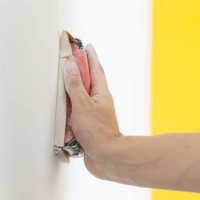
Sanding removes old paint flakes, smooths rough patches, and creates a surface that accepts new paint evenly. This step is essential for surfaces that have been previously painted multiple times.
Proper sanding also improves adhesion. Paint bonds better to a slightly roughened surface than to one that is completely smooth or glossy. This is why primers often include sanding as a preparatory step.
Priming
Primer creates a uniform base for the topcoat. It seals porous surfaces, blocks stains, and improves paint adhesion. Skipping primer often leads to patchy color and reduced paint longevity.
Different surfaces need different primers. Wood, metal, and masonry each require specific formulations. Using the wrong primer can compromise the entire painting project.
Choosing the Right Paint and Materials
Selecting quality materials makes a significant difference in the final outcome. Property owners should understand the basic categories of paint and finishing materials available.
Water-Based vs. Oil-Based Paints
Water-based paints dry quickly and have lower odor levels. They are easier to clean up and more environmentally friendly. Most interior walls today use water-based formulations.
Oil-based paints offer superior durability and a smoother finish. They work well on trim, doors, and surfaces that experience heavy use. However, they take longer to dry and require solvents for cleanup.
Matte, Satin, and Gloss Finishes
Matte finishes hide imperfections well and create a soft, elegant look. They work best in living rooms and bedrooms where a calm atmosphere is desired.
Satin finishes offer a slight sheen and resist stains better than matte options. They suit hallways, children’s rooms, and high-traffic areas.
Gloss finishes provide maximum durability and easy cleaning. They are ideal for kitchens, bathrooms, and trim work where moisture and grease are common.
Specialty Coatings
Beyond standard paint, specialty coatings serve specific purposes. Anti-corrosive coatings protect metal structures from rust. Waterproof coatings shield exteriors from moisture infiltration. Fire-retardant coatings add an extra layer of safety to commercial buildings.
These specialty products often cost more upfront. However, they provide long-term protection that standard paint cannot match. Property owners managing industrial or high-risk spaces should consider these options seriously.
The Painting Process: Step-by-Step Overview
Understanding the typical painting process helps property owners know what to expect. While details vary by project, most professional jobs follow a similar sequence.
Step One: Site Assessment
A thorough assessment identifies the scope of work. This includes measuring surface area, checking for damage, and discussing color preferences with the client. This stage sets clear expectations for the entire project.
Step Two: Material Selection
Once the assessment is complete, the team selects appropriate paints, primers, and tools. Material choice depends on surface type, location, and the client’s budget and preferences.
Step Three: Surface Preparation
As discussed earlier, preparation includes cleaning, repairing, sanding, and priming. This stage often takes longer than the actual painting itself, especially for older buildings.
Step Four: Protection of Surrounding Areas
Furniture, floors, and fixtures need protection from paint splatter. Professional teams use drop cloths, tape, and plastic sheeting to keep work areas clean throughout the process.
Step Five: Paint Application
Painters apply coats using brushes, rollers, or sprayers depending on the surface and desired finish. Most projects require at least two coats for even coverage and color consistency.
Step Six: Drying and Curing
Paint needs adequate time to dry between coats and to cure fully afterward. Rushing this stage often results in smudges, uneven texture, or reduced durability over time.
Step Seven: Final Inspection and Cleanup
A final walkthrough ensures every surface meets quality standards. The team then removes protective coverings and cleans the workspace thoroughly before leaving.
How Often Should Painting and Surface Finishing Be Done?
The frequency of repainting depends on several factors. Climate, surface material, and usage levels all play a role in determining the right schedule.
Interior walls in residential homes typically need repainting every five to seven years. High-traffic areas like hallways may require more frequent touch-ups. Kitchens and bathrooms often need repainting every three to five years due to moisture exposure.
Exterior surfaces in the UAE face harsher conditions. Intense sun and heat can fade and crack paint faster than in milder climates. Most experts recommend exterior repainting every three to five years for UAE properties.
Commercial spaces often follow different schedules based on branding needs and customer-facing requirements. Retail stores might repaint annually to maintain a fresh appearance. Office buildings may extend this to every five years.
Common Mistakes to Avoid During Painting Projects
Even well-intentioned painting projects can go wrong. Avoiding common mistakes saves time, money, and frustration.
Skipping Surface Preparation
Many people rush straight to painting without proper preparation. This shortcut almost always leads to poor adhesion and early peeling. Preparation should never be skipped, regardless of time constraints.
Using Low-Quality Materials
Cheaper paints often contain fewer solids and lower pigment concentration. This results in patchy coverage and faster fading. Investing in quality materials pays off through longer-lasting results.
Painting in Poor Weather Conditions
Humidity and temperature affect how paint dries and cures. Painting during extreme heat or high humidity can cause bubbling and uneven texture. Professional teams monitor weather conditions before scheduling exterior work.
Ignoring Ventilation
Proper ventilation helps paint dry evenly and reduces harmful fume buildup indoors. Poor ventilation can extend drying times and create health risks for occupants and workers alike.
Choosing the Wrong Finish for the Space
Selecting a glossy finish for a high-traffic hallway or a matte finish for a humid bathroom often backfires. Matching the finish type to the room’s function ensures better performance and longevity.
Benefits of Hiring Professional Painting and Surface Finishing Services
While some property owners attempt do-it-yourself painting projects, professional services offer clear advantages worth considering.
Expertise and Experience
Professional painters understand surface types, material compatibility, and application techniques. Their experience helps avoid common mistakes that amateurs often make. This expertise translates into smoother finishes and longer-lasting results.
Time and Cost Efficiency
Professionals complete projects faster due to their experience and proper equipment. This efficiency often offsets the cost of hiring a service compared to lengthy DIY attempts that require redoing work.
Access to Quality Materials
Professional contractors often have access to commercial-grade paints and tools that are not readily available to the public. These materials provide better coverage and durability than standard retail options.
Safety Considerations
Painting tall buildings or handling specialty coatings can involve safety risks. Professional teams follow safety protocols and use proper equipment, such as scaffolding and harnesses, reducing the risk of accidents.
Consistent, Polished Results
Trained painters achieve even coverage, clean lines, and professional finishes. This consistency is particularly important for commercial spaces where appearance directly impacts customer perception.
Sustainable Painting Practices for Modern Properties
Sustainability has become an important consideration in painting and surface finishing. Property owners increasingly seek eco-friendly options that reduce environmental impact.
Low-VOC and zero-VOC paints have grown in popularity. These formulations release fewer harmful chemicals into the air during and after application. They benefit both occupant health and outdoor air quality.
Water-based paints generally have a lower environmental footprint than oil-based alternatives. They require less harsh cleaning solvents and produce fewer emissions during production and use.
Choosing durable finishes also supports sustainability. Paints that last longer require less frequent reapplication. This reduces material waste and the overall environmental impact of maintenance over time.
Painting and Surface Finishing for Different Building Types
Different buildings have unique painting needs based on their function and design. Understanding these differences helps property owners make informed decisions.
Residential Villas and Apartments
Homes require finishes that balance aesthetics with everyday durability. Family-friendly spaces often need washable paints that withstand spills, scuffs, and children’s activities.
Office Buildings
Offices benefit from neutral, professional color palettes that create a productive atmosphere. Durability matters in high-traffic areas like hallways, reception areas, and meeting rooms.
Retail and Hospitality Spaces
These spaces often prioritize branding and visual impact. Bold colors, accent walls, and decorative finishes help create memorable customer experiences and reinforce brand identity.
Industrial Facilities
Warehouses and factories require specialty coatings that resist chemicals, heat, and heavy wear. Safety markings and floor coatings also fall under this category of surface finishing.
How Blue Hawk FZE Approaches Painting and Surface Finishing
Blue Hawk FZE understands that every property has unique needs. The team begins each project with a detailed assessment of the space and client expectations. This ensures the right materials and techniques are chosen from the start.
Surface preparation receives careful attention before any paint is applied. This commitment to proper preparation results in finishes that last longer and look better over time. Quality materials are sourced to withstand the demanding UAE climate.
The team works efficiently to minimize disruption, whether for residential homes or busy commercial spaces. Clean work practices and thorough final inspections ensure client satisfaction at every stage of the project.
Frequently Asked Questions
How long does a typical painting project take?
Project timelines vary based on size and complexity. A standard room may take one to two days, while full building exteriors can take one to two weeks.
What is the best paint finish for bathrooms?
Satin or semi-gloss finishes work best in bathrooms. They resist moisture and are easy to clean, making them ideal for humid environments.
Can painting be done during occupied hours in offices?
Yes, many commercial painting projects are scheduled during evenings or weekends. This minimizes disruption to daily business operations.
How long should paint dry before applying a second coat?
Most paints require four to six hours of drying time between coats. However, this varies depending on humidity, temperature, and paint type.
Is it necessary to prime before painting?
Primer is highly recommended, especially on new surfaces or when changing colors significantly. It improves adhesion and ensures even color coverage.
What causes paint to peel or bubble?
Poor surface preparation, moisture trapped beneath the paint, or low-quality materials often cause peeling and bubbling. Proper preparation prevents these issues.
How can property owners maintain painted surfaces between repaints?
Regular cleaning with mild soap and water helps maintain painted surfaces. Avoiding harsh chemicals and addressing small chips quickly extends paint life.
Final Thoughts
Painting and surface finishing protect, beautify, and add value to any property. From selecting the right materials to following proper preparation steps, every detail matters. Property owners who invest in quality painting services enjoy longer-lasting, more attractive spaces.
The UAE’s unique climate makes professional expertise particularly valuable. Choosing experienced teams who understand local conditions ensures the best possible results for any project.
If you need any building services in U.A.E, contact us. Blue Hawk FZE is ready to help with painting, surface finishing, and complete facility management solutions tailored to your property’s needs.
Leave a Reply