Structural Repair and Reinforcement:
A Complete Guide
Every strong building starts with a healthy structure. Over time, however, even the best-built properties face wear and tear. Concrete cracks, steel corrodes, and foundations shift. That’s where structural repair and reinforcement come in. This guide explains what property owners in the UAE need to know. It covers how to keep buildings safe and strong for decades.
Blue Hawk FZE is a trusted facility management company based in Sharjah. It helps residential and commercial clients across the UAE protect their structures. This article breaks down the causes, signs, methods, and benefits of structural repair. It also answers common questions property owners ask before hiring a contractor.
What Is Structural Repair and Reinforcement?
Structural repair refers to fixing damaged parts of a building’s frame. This includes beams, columns, slabs, and foundations. Reinforcement, on the other hand, means strengthening these elements. The goal is to restore or improve a structure’s load-bearing capacity.
Together, these two processes ensure a building remains safe for everyday use. They also extend the lifespan of the property. Without proper repair, small cracks can grow into major safety hazards. Reinforcement adds an extra layer of protection against future damage.
In the UAE’s climate, structures face unique challenges. High humidity, salty air near the coast, and intense heat all affect building materials. This makes regular inspection and timely repair even more important here than in many other regions.
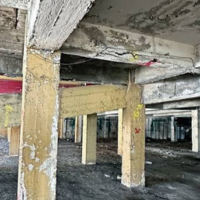
Why Buildings Need Structural Repair
Buildings don’t fail overnight. Damage usually builds up slowly, often unnoticed for years. Several factors contribute to structural deterioration in the UAE and beyond.
Natural Wear and Aging
Concrete, steel, and other building materials naturally weaken over time. Age alone doesn’t cause failure, but it increases vulnerability. Older buildings need more frequent structural checks than newer ones.
Environmental and Climate Factors
The UAE’s extreme heat puts constant stress on building materials. Concrete expands and contracts with temperature changes. This cycle, repeated daily, gradually creates micro-cracks. Coastal humidity and salt exposure also speed up steel corrosion inside concrete.
Water Damage and Moisture Intrusion
Water is one of the biggest enemies of structural integrity. It seeps into cracks and reaches steel reinforcement bars inside concrete. Once moisture reaches steel, rust forms quickly. Rust expands and pushes against the surrounding concrete, causing it to crack further.
Poor Construction Practices
Sometimes, damage traces back to the original construction phase. Low-quality materials, incorrect mixing ratios, or rushed workmanship all create weak points. These issues often surface years later as visible structural problems.
Overloading and Design Changes
Adding extra floors, heavy machinery, or new equipment can overload a structure. Buildings are designed for specific load limits. Exceeding these limits without reinforcement creates serious safety risks.
Seismic and Ground Movement
While the UAE isn’t a high-seismic zone, soil settlement still happens. Shifting ground beneath a foundation can crack walls and slabs. Sandy soil conditions, common in the region, sometimes contribute to this movement.
Common Signs Your Building Needs Repair
Recognizing early warning signs saves money and prevents emergencies. Property owners should watch for these red flags regularly.
Visible Cracks in Walls or Ceilings
Hairline cracks are often harmless, but wider cracks need attention. Diagonal cracks near windows or doors can indicate structural movement. Cracks that grow over time should never be ignored.
Sagging or Uneven Floors
Floors that slope or feel uneven often point to foundation issues. This problem usually develops gradually and worsens without intervention. A professional inspection can confirm the root cause quickly.
Doors and Windows That Stick
When door and window frames shift out of alignment, structural movement is often the reason. Sticking or misaligned frames suggest the building’s frame has shifted slightly.
Exposed or Rusted Reinforcement Bars
If steel bars become visible through cracked concrete, immediate action is necessary. This condition, called spalling, weakens the entire structural element. Left untreated, it leads to serious safety concerns.
Water Stains and Dampness
Persistent water stains on ceilings or walls suggest moisture infiltration. This moisture often affects structural components hidden behind finishes. Addressing the source early prevents deeper damage.
Bulging or Leaning Walls
Walls that bulge outward or lean are showing clear signs of stress. This situation requires urgent professional evaluation. Delaying repair in these cases can be dangerous.
Types of Structural Repair Methods
Different problems require different solutions. Engineers choose repair methods based on the damage type, severity, and building material.
Crack Injection and Sealing
Epoxy or polyurethane injections fill cracks in concrete effectively. This method restores structural continuity and blocks water entry. It works well for both hairline and moderate cracks.
Concrete Patching and Repair
Damaged or spalled concrete sections often need complete removal and replacement. Workers chip away weak concrete, clean the exposed steel, and pour fresh material. This restores both strength and appearance.
Carbon Fiber Reinforcement
Carbon fiber wraps add significant strength without adding much weight. This modern technique works well for columns and beams. It’s especially useful when increasing load capacity is the goal.
Steel Plate Bonding
Steel plates, bonded to weakened concrete surfaces, increase load-bearing strength. This method suits beams and slabs needing extra support. It’s a cost-effective alternative to full replacement.
Underpinning for Foundation Issues
When foundations settle or crack, underpinning provides a long-term solution. This process extends the foundation deeper into stable soil. It stabilizes the entire structure above it.
Shotcrete Application
Shotcrete involves spraying concrete onto a surface at high pressure. It’s ideal for repairing large vertical or overhead structural areas. This method bonds well and cures quickly.
Grouting and Soil Stabilization
For foundation movement caused by soil issues, grouting injects stabilizing material underground. This fills voids and strengthens the soil bearing capacity. It’s a less invasive alternative to underpinning in many cases.
The Structural Repair Process Explained
Understanding the repair process helps property owners know what to expect.
Step One: Inspection and Assessment
A qualified structural engineer first inspects the entire property. They identify visible damage and check for hidden issues. This step often includes testing concrete strength and checking for corrosion.
Step Two: Diagnosis and Root Cause Analysis
Repairing symptoms without addressing the cause leads to repeat problems. Engineers determine why the damage occurred in the first place. This might involve water intrusion, design flaws, or material aging.
Step Three: Repair Plan and Method Selection
Based on the diagnosis, engineers recommend the most suitable repair method. They consider cost, building use, and long-term durability. A detailed plan outlines materials, timeline, and safety measures.
Step Four: Execution by Skilled Technicians
Trained technicians carry out the repair work according to the plan. This includes surface preparation, material application, and curing time. Quality control checks happen throughout the process.
Step Five: Final Inspection and Quality Assurance
Once repairs are complete, a final inspection confirms everything meets safety standards. Engineers verify the repaired area matches design specifications. This step ensures long-lasting results.
Benefits of Timely Structural Repair
Investing in structural repair offers far more than just fixing visible damage.
Improved Safety for Occupants
The most important benefit is protecting the people inside the building. Strong structures prevent collapses, falling debris, and other hazards. Safety should always come first.
Increased Property Value
Well-maintained buildings retain higher market value over time. Buyers and tenants prefer properties with documented structural health. Repairs can significantly boost resale potential.
Extended Building Lifespan
Reinforcement and repair add years, sometimes decades, to a structure’s life. This delays the need for costly demolition or rebuilding. It’s a smart long-term investment.
Lower Long-Term Maintenance Costs
Small problems cost far less to fix than major ones. Addressing issues early prevents expensive emergency repairs later. Preventive maintenance always saves money over time.
Compliance with Building Codes
UAE building regulations require structures to meet specific safety standards. Regular repair and reinforcement keep properties compliant. This avoids legal issues and potential fines.
Better Insurance Standing
Insurance companies often favor well-maintained properties. Documented repairs can lead to better policy terms. This protects owners financially in case of future incidents.
Choosing the Right Structural Repair Company
Not all repair providers offer the same quality of service. Property owners should consider several factors before hiring.
Experience and Technical Expertise
Look for companies with proven experience in structural work. Ask about past projects similar to your building type. Experienced teams handle unexpected challenges more effectively.
Licensed Engineers and Certified Technicians
Structural work should always involve licensed professionals. Certification ensures the team follows proper safety and engineering standards. This protects both the building and its occupants.
Use of Modern Techniques and Materials
Companies using updated methods, like carbon fiber reinforcement, often deliver better results. Modern materials tend to last longer and perform more reliably. Ask what technologies a company uses.
Transparent Communication and Reporting
A reliable contractor explains findings clearly and answers questions honestly. They provide detailed reports with photos and recommendations. Transparency builds trust throughout the project.
Local Knowledge of UAE Conditions
Companies familiar with UAE’s climate and soil conditions perform better assessments. They understand region-specific risks like heat expansion and humidity damage. Local expertise leads to more accurate, lasting solutions.
Preventive Maintenance Tips for Building Owners
Prevention is always better than repair. These simple habits help property owners avoid major structural issues.
Schedule regular structural inspections, ideally once or twice a year. Address small cracks immediately instead of waiting for them to grow. Keep drainage systems clear to prevent water pooling near foundations. Monitor for new cracks after any heavy construction nearby. Avoid overloading floors or roofs beyond their designed capacity. Hire professionals for any modification involving walls, beams, or columns.
Following these steps consistently reduces the risk of costly structural emergencies.
Structural Repair for Residential vs. Commercial Properties
Repair needs often differ depending on property type. Understanding these differences helps owners plan appropriately.
Residential Properties
Villas and apartments typically deal with smaller-scale issues. Common problems include wall cracks, minor foundation settling, and water damage. Repairs are usually quicker and less disruptive to daily life.
Commercial Properties
Office buildings, warehouses, and retail spaces often face heavier structural demands. Higher foot traffic, heavy equipment, and larger spans increase stress on structures. Commercial repairs may require phased work to avoid disrupting business operations.
Both property types benefit equally from proactive maintenance and timely repair.
How Climate in the UAE Affects Structural Health
The UAE’s environment plays a major role in building deterioration. Summer temperatures often exceed 45 degrees Celsius. This extreme heat causes continuous expansion and contraction in concrete and steel.
Coastal cities like Sharjah and Dubai also deal with high humidity. Salt-laden air accelerates corrosion in steel reinforcement bars. This is why buildings near the coast often need more frequent inspections.
Sandstorms and dust can also clog drainage systems over time. Blocked drainage leads to water pooling, which eventually seeps into foundations. Regular cleaning and maintenance help reduce this risk significantly.
Given these factors, structural repair in the UAE isn’t just reactive. It should be a proactive, ongoing part of property management.
The Role of Facility Management in Structural Health
Facility management companies play a key role in long-term structural care. They don’t just respond to emergencies. They create maintenance schedules that catch problems early.
Regular building audits, conducted by experienced facility teams, identify risks before they escalate. This includes checking for cracks, moisture, and material degradation. Facility managers also coordinate with structural engineers when specialized repairs are needed.
This proactive approach saves property owners both time and money. It also ensures buildings remain safe, functional, and compliant with UAE regulations throughout their lifespan.
Cost Factors in Structural Repair Projects
Several elements influence the overall cost of structural repair work.
The extent of damage is the biggest factor. Minor crack repairs cost far less than major foundation underpinning. The repair method chosen also affects pricing, since techniques like carbon fiber wrapping require specialized materials.
Building accessibility matters too. Hard-to-reach areas, like upper floors or tight spaces, may increase labor costs. The size of the affected area naturally impacts material and labor expenses as well.
Getting a professional assessment first helps owners understand the true scope of work. This prevents underestimating budgets or choosing inadequate repair methods that fail prematurely.
Why Choose Blue Hawk FZE for Structural Repair
Blue Hawk FZE brings years of facility management experience to every project. The team understands UAE-specific challenges, from extreme heat to coastal humidity. This local expertise translates into smarter, longer-lasting repair solutions.
The company combines skilled technicians with modern repair techniques. From crack injection to full reinforcement projects, Blue Hawk FZE handles jobs of every size. Clear communication and transparent reporting keep property owners informed at every stage.
Blue Hawk FZE has a strong track record across Sharjah and the wider UAE. It has earned the trust of hundreds of clients. The company’s commitment to safety, quality, and customer satisfaction sets it apart in the facility management industry.
Does your property need structural repair, reinforcement, or any other building service in the UAE? Contact Blue Hawk FZE today for expert support and a free consultation.
Frequently Asked Questions
How do I know if my building needs structural repair?
Watch for warning signs like wide cracks, sagging floors, or sticking doors. Exposed steel bars and water stains also indicate problems. A professional inspection gives the most accurate answer.
How long does structural repair usually take?
Timelines vary based on damage severity and repair method. Minor crack injections may take a day or two. Larger projects, like underpinning, can take several weeks to complete.
Is structural reinforcement necessary for all old buildings?
Not every old building needs reinforcement immediately. However, regular inspection helps determine if reinforcement is required. Age alone isn’t the only factor; condition matters more.
Can structural repairs be done while a building is occupied?
Yes, many repairs can happen without full evacuation. Engineers often plan phased work to minimize disruption. Safety barriers and scheduling help protect occupants during repairs.
What causes cracks in UAE buildings specifically?
Extreme heat, humidity, and soil conditions are common causes here. Temperature swings cause materials to expand and contract repeatedly. This cycle eventually leads to visible cracking.
How much does structural repair typically cost in the UAE?
Costs depend on damage extent, repair method, and building size. Minor repairs can be affordable, while major reinforcement projects cost more. A site assessment gives an accurate cost estimate.
Does insurance cover structural repair costs?
Coverage depends on the policy and cause of damage. Some policies cover specific structural issues, while others don’t. Reviewing your policy or consulting your insurer clarifies coverage details.
How often should buildings be inspected for structural issues?
Most experts recommend inspections at least once a year. Buildings in coastal or high-humidity areas may need more frequent checks. Older properties also benefit from increased inspection frequency.
Final Thoughts
Structural repair and reinforcement protect more than just a building’s appearance. They protect the safety of everyone who uses that space daily. The UAE’s climate makes proactive maintenance especially important for long-term durability.
Recognizing early warning signs and acting quickly prevents small issues from becoming major hazards. Partnering with an experienced facility management company ensures repairs are done right the first time.
Blue Hawk FZE remains committed to helping property owners across Sharjah and the UAE maintain safe, strong buildings. For structural repair, reinforcement, or any other building services in the UAE, contact us today to schedule a consultation
Leave a Reply