A damaged ceiling is more than an eyesore. It can signal hidden problems inside your walls or roof. Many property owners in the UAE ignore small cracks or stains. They assume the issue will fix itself. It rarely does. Left untreated, minor ceiling damage often grows into a costly repair. This guide explains everything you need to know about ceiling repairing. It covers common causes, warning signs, repair methods, and prevention tips. By the end, you will understand exactly how to protect your property. You will also know when to call a professional facility management team.
Blue Hawk FZE is a trusted facility management company based in Sharjah, UAE. The team handles building repairing services across residential and commercial spaces. This article shares practical, easy-to-understand information. It is written for homeowners, landlords, and business owners alike.
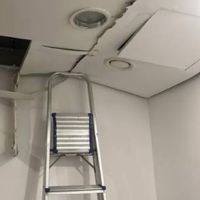
Why Ceiling Repairing Matters for UAE Properties
The UAE climate is tough on buildings. High humidity, intense heat, and occasional heavy rain all take a toll. Ceilings absorb much of this stress. They sit between weather exposure above and daily living below. This makes them prone to specific problems that need fast attention.
Ignoring ceiling damage rarely saves money. A small leak today can become a major structural issue tomorrow. Mold spreads quickly in humid conditions. Weak plaster can collapse without warning. Timely ceiling repairing protects your property value. It also protects the safety of everyone inside the building.
Commercial properties face added pressure. A damaged ceiling in an office or retail space looks unprofessional. It can also violate safety codes. Tenants and customers notice neglect immediately. This is why many businesses across the UAE rely on professional facility management for routine ceiling care.
Common Causes of Ceiling Damage
Understanding the root cause is the first step toward a lasting repair. Most ceiling problems trace back to one of these issues.
Water Leaks and Moisture
Water damage is the most frequent cause of ceiling problems in the UAE. Leaking pipes, faulty roofing, or poor waterproofing all contribute. Bathrooms and kitchens are especially vulnerable. Water travels along pipes and beams before it appears on the surface. By the time a stain shows, the damage may already be extensive.
Structural Settling
Buildings shift slightly over time. This natural movement can stress drywall and plaster. Hairline cracks often appear near corners or joints. These are usually cosmetic. However, large or spreading cracks may point to a structural concern that needs inspection.
Poor Installation or Substandard Materials
Some ceiling problems start during construction. Incorrect drywall installation or low-quality plaster leads to early failure. Joints may separate. Paint may peel. Choosing experienced contractors during the original build prevents many future headaches.
Humidity and Poor Ventilation
The UAE’s climate creates ideal conditions for condensation. Trapped moisture in poorly ventilated spaces softens plaster and drywall. Over time, this leads to sagging, bubbling paint, or mold growth. Bathrooms, kitchens, and basements need proper airflow to avoid these issues.
Accidental Impact
Dropped objects, poorly mounted fixtures, or DIY mistakes can damage a ceiling instantly. Ceiling fans, light fixtures, and air conditioning units are common culprits when installed incorrectly. Even a small impact can crack plaster or create a visible dent.
Pest Activity
Rodents and insects sometimes nest above ceiling panels. They chew through materials and leave droppings or stains behind. A musty smell combined with visible damage often points to pest involvement. This issue requires both repair and pest control together.
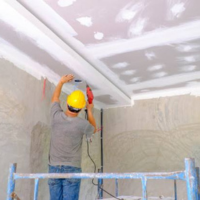
Warning Signs You Should Never Ignore
Catching damage early saves time and money. Watch for these common warning signs.
- Cracks: Hairline cracks are usually harmless. Wide, deep, or spreading cracks need professional review.
- Water Stains: Yellow or brown patches indicate moisture trapped above the surface.
- Sagging: A drooping ceiling suggests serious structural strain. This needs immediate attention.
- Peeling or Bubbling Paint: This often means moisture is trapped behind the paint layer.
- Musty Odors: A persistent smell usually signals hidden mold or long-term water exposure.
- Visible Mold: Dark spots or fuzzy patches are a clear health and safety concern.
- Crumbling Plaster: Small pieces falling from the ceiling mean the material is failing.
If you notice any of these signs, contact a facility management professional promptly. Quick action limits damage and reduces overall repair costs.
Types of Ceiling Repairing Services
Not every ceiling problem needs the same solution. Professional teams assess the damage first. Then they choose the most effective repair method.
Crack Repair and Patching
Small cracks are filled using joint compound or specialized plaster. The surface is then sanded smooth. A fresh coat of paint completes the job. This method works well for cosmetic damage with no structural cause.
Water Damage Restoration
This process starts by identifying and stopping the source of moisture. Once the leak is resolved, damaged material is removed. Technicians dry the area completely before applying new plaster or drywall. Skipping the drying step often leads to repeat problems.
Drywall Replacement
When damage covers a large area, full replacement is usually more practical than patching. Old material is removed. New drywall is installed, taped, and finished to match the surrounding surface.
Plaster Restoration
Older buildings in the UAE sometimes feature traditional plaster ceilings. These require specific techniques and materials. A skilled technician matches the existing texture for a seamless finish.
Mold Remediation
Mold removal requires more than surface cleaning. Professionals treat the affected area, address the moisture source, and apply mold-resistant coatings. This step protects indoor air quality and prevents recurrence.
Structural Reinforcement
Serious cases involve damaged joists or weakened support structures. This work requires engineering knowledge and proper permits. It should always be handled by an experienced facility management team.
Texture Matching and Painting
After any repair, matching the original texture and paint finish is essential. A mismatched patch stands out and looks unfinished. Professional teams blend new work seamlessly into the existing ceiling.
DIY Ceiling Repair vs. Professional Service
Many property owners wonder whether they can repair a ceiling themselves. Small, cosmetic cracks may be manageable with basic tools. However, several factors make professional service the safer choice.
DIY repairs often skip proper surface preparation. Skipping this step weakens the bond between old and new material. Many homeowners also misjudge the root cause of damage. Treating the symptom without fixing the source leads to repeat problems.
Safety is another concern. Working overhead involves ladders, electrical fixtures, and sometimes hazardous materials. Older buildings may contain materials that require careful, certified handling. Professional teams carry the right tools, training, and insurance for the job.
For minor issues, a confident homeowner might attempt a basic patch. For anything involving water damage, structural concerns, or large areas, professional ceiling repairing is the smarter long-term choice.
The Professional Ceiling Repair Process
A reliable facility management company follows a clear, structured process. This ensures lasting results and customer satisfaction.
- Site Inspection: A technician visits the property to assess the damage and identify the root cause.
- Diagnosis: The team determines whether the issue is cosmetic, water-related, or structural.
- Quotation: A transparent estimate is provided before any work begins.
- Source Repair: Any leak, ventilation issue, or structural concern is addressed first.
- Material Removal: Damaged drywall, plaster, or paint is carefully removed.
- Drying: The area is fully dried to prevent future mold or warping.
- Patching or Replacement: New material is applied and shaped to match the surrounding ceiling.
- Finishing: Sanding, priming, and painting complete a smooth, even surface.
- Final Inspection: The team checks the work and confirms the issue is fully resolved.
This step-by-step approach prevents shortcuts that lead to recurring problems.
Cost Factors for Ceiling Repairing
Several factors influence the cost of ceiling repair work. Understanding them helps property owners plan and budget effectively.
- Size of the Damaged Area: Larger areas naturally require more time and material.
- Type of Ceiling Material: Plaster ceilings often cost more to repair than standard drywall.
- Root Cause: Water damage repairs cost more when plumbing or roofing work is also needed.
- Accessibility: High ceilings or tight spaces may require special equipment.
- Severity: Structural repairs cost significantly more than cosmetic patching.
- Finishing Requirements: Texture matching and premium paint finishes add to the final price.
Requesting a detailed, on-site quote is always the best way to get an accurate cost estimate. A professional inspection avoids surprises later in the project.
Preventive Maintenance Tips
Prevention is always more affordable than repair. These simple habits protect your ceilings long-term.
Schedule regular inspections, especially before and after the rainy season. Check for leaks around air conditioning units and rooftop equipment. Keep bathroom and kitchen exhaust fans clean and functional. Address small cracks early instead of waiting for them to spread.
Maintain good airflow throughout the property to reduce humidity buildup. Repaint ceilings periodically to seal small imperfections before they worsen. Most importantly, partner with a dependable facility management company for ongoing maintenance. Routine checks catch problems long before they become expensive emergencies.
Why Choose Blue Hawk FZE for Ceiling Repairing in the UAE
Blue Hawk FZE offers comprehensive building repairing services across Sharjah and the wider UAE. The team understands the local climate and its specific impact on ceilings and walls. Every project starts with a thorough inspection. This ensures the real cause of the damage is identified and fixed.
The company combines skilled technicians with quality materials. This guarantees repairs that last, not just temporary fixes. Beyond ceiling repairing, Blue Hawk FZE also handles electrical services, HVAC systems, security systems, cleaning services, and solar installation. This makes the company a convenient, one-stop solution for residential and commercial facility needs.
With years of consulting experience and hundreds of completed projects, Blue Hawk FZE has built a strong reputation for reliability. Clients across the UAE trust the team to deliver honest assessments, fair pricing, and professional workmanship every time.
Frequently Asked Questions
1. How do I know if my ceiling crack is serious? Hairline cracks under 3mm wide are usually cosmetic. Wide, deep, or rapidly spreading cracks may indicate a structural issue. A professional inspection gives a clear answer.
2. What causes ceiling water stains in UAE buildings? Most stains come from leaking pipes, roof damage, or poor waterproofing. The UAE’s humidity also contributes to moisture buildup behind walls and ceilings.
3. Can I paint over a water-stained ceiling without repairing it first? No. Painting over an unresolved leak only hides the problem temporarily. The stain will likely return, and hidden mold may continue to grow.
4. How long does a typical ceiling repair take? Small cosmetic repairs may take a few hours. Larger jobs involving drywall replacement or structural work can take several days, depending on the extent of damage.
5. Is ceiling mold dangerous? Yes. Mold exposure can affect respiratory health, especially for children and people with allergies. It should be removed by professionals as soon as it appears.
6. Do you offer ceiling repairing for both homes and offices? Yes. Blue Hawk FZE provides building repairing services for residential properties, offices, retail spaces, and other commercial facilities across the UAE.
7. How often should ceilings be inspected? A general inspection once or twice a year is recommended. Properties with a history of leaks or humidity issues may benefit from more frequent checks.
8. What should I do if I notice a sagging ceiling? Avoid the area immediately and contact a professional. A sagging ceiling can be a sign of serious structural weakness and may pose a safety risk.
Final Thoughts
A well-maintained ceiling protects your property’s structure, appearance, and value. Ignoring small signs of damage often leads to bigger, costlier problems. Whether you are dealing with a hairline crack or significant water damage, timely action makes all the difference.
Blue Hawk FZE brings professional expertise, honest assessments, and reliable workmanship to every ceiling repairing project. The team serves residential and commercial clients across Sharjah and the wider UAE.
If you need any building services in the UAE, contact us today. Our team is ready to inspect your property and provide a clear, transparent solution.
Blue Hawk FZE SPC Free Zone, Sharjah, U.A.E.
Phone: +971 50 439 1593
Email: admin@bluehawkfze.com
Leave a Reply