Flooring Repair and Replacement: The Complete Guide
Floors take a beating every single day. People walk on them, drag furniture across them, and spill things on them without a second thought. Over time, even the toughest flooring starts to show its age. That’s where flooring repair and replacement comes in. It’s a topic every property owner in the UAE should understand.
This guide breaks down everything about flooring repair and replacement. It covers signs of damage, repair methods, replacement options, and costs. By the end, readers will know exactly what their floors need.
Why Flooring Condition Matters More Than Most People Think
Flooring isn’t just about looks. It plays a huge role in safety, comfort, and property value. A cracked tile can cause a trip hazard. A water-damaged wooden floor can hide mold underneath. Worn-out vinyl can make a commercial space look neglected to visitors and clients.
Good flooring also affects energy efficiency. Gaps in flooring let cold or hot air escape. This forces HVAC systems to work harder. It raises utility bills without anyone realizing why.
For businesses, flooring also shapes first impressions. A retail store with damaged flooring tells customers something is wrong. A hotel lobby with cracked marble feels less luxurious. A warehouse with crumbling concrete poses real safety risks to staff.
Property owners who ignore flooring problems often pay more later. Small cracks become big cracks. Minor leaks under flooring turn into structural damage. Catching issues early always saves money in the long run.
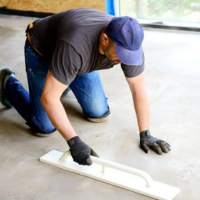
Common Signs That Flooring Needs Repair
Most flooring problems don’t appear overnight. They build up slowly and give warning signs along the way. Knowing these signs helps property owners act before small issues become expensive disasters.
Visible Cracks and Chips
Cracks in tile, stone, or concrete flooring are the most obvious red flag. They often start small near corners or high-traffic areas. Left unattended, cracks widen and spread across larger sections.
Chips usually happen from dropped objects or heavy furniture movement. They might seem cosmetic at first glance. However, chipped tiles let moisture seep underneath, causing further damage.
Loose or Lifting Tiles
Tiles that move underfoot signal a problem with the adhesive or subfloor. This often happens due to moisture exposure or poor initial installation. Walking on loose tiles can also cause them to crack further.
Lifting tiles are dangerous, especially in commercial settings. Employees or customers could trip and get injured. This creates liability risks for business owners.
Warped or Buckled Wood Flooring
Wood flooring reacts strongly to moisture and humidity changes. The UAE’s climate, combined with poor ventilation, can cause planks to warp. Buckling happens when wood absorbs water and expands beyond its installed space.
Once wood warps, it rarely returns to its original shape on its own. Professional intervention becomes necessary to fix the underlying moisture issue first.
Stains and Discoloration
Stains that won’t come out despite cleaning often indicate deeper damage. This is common with carpets, but it also happens with grout and natural stone. Discoloration sometimes points to water damage hiding beneath the surface.
Squeaky or Uneven Floors
Squeaky floors usually mean loose floorboards or subfloor issues. Uneven flooring can result from foundation settling or water damage over time. Both issues need professional assessment to identify the root cause.
Persistent Odors
A musty smell coming from flooring often means mold or mildew growth. This typically happens underneath carpets or in areas with past water exposure. Odors like this should never be ignored, as mold affects indoor air quality and health.
Flooring Repair vs. Flooring Replacement: How to Decide
This is the question every property owner faces. Repair is cheaper and faster. Replacement is a bigger investment but solves problems for good. Here’s how to choose between the two.
When Repair Makes Sense
Repair works well for isolated, minor damage. A few cracked tiles in an otherwise solid floor can be fixed individually. Small scratches on hardwood can be sanded and refinished without replacing the entire floor.
Repair also makes sense when the flooring is relatively new. If a five-year-old floor has minor damage, fixing it extends its life significantly. This avoids the cost of full replacement for a problem that’s still small.
Budget constraints often push property owners toward repair first. It’s a practical choice when funds are limited and damage is contained.
When Replacement Becomes Necessary
Replacement becomes the smarter option when damage is widespread. If more than 25-30% of a floor shows significant wear, patchwork repairs rarely look good. Mismatched repairs can actually decrease property value rather than improve it.
Old flooring nearing the end of its lifespan also calls for replacement. Carpets typically last 5-10 years. Vinyl flooring lasts 10-20 years depending on quality. Tile and stone can last decades, but grout and sealants degrade much sooner.
Replacement is also necessary when underlying issues exist. Persistent moisture problems, subfloor damage, or structural shifting require addressing before new flooring goes down. In these cases, repair alone won’t solve anything.
Businesses planning a renovation or rebrand often choose replacement too. New flooring instantly refreshes a space and aligns with updated interior designs.
Types of Flooring and Their Repair Needs
Different flooring materials require different repair approaches. Understanding these differences helps property owners set realistic expectations.
Ceramic and Porcelain Tile
Tile flooring is durable but not indestructible. Cracked tiles can usually be replaced individually without redoing the entire floor. Matching the existing tile color and pattern is the main challenge here.
Grout repair is another common need. Grout deteriorates faster than tiles themselves. Regrouting refreshes the look and prevents water from seeping underneath.
Natural Stone Flooring
Marble, granite, and travertine flooring need specialized care. These materials are prone to staining, etching, and chipping. Repair often involves polishing, filling chips with matching resin, and resealing the surface.
Natural stone repair requires skilled technicians. Mismatched polish or incorrect sealant can damage the stone permanently. This is not a do-it-yourself job for most property owners.
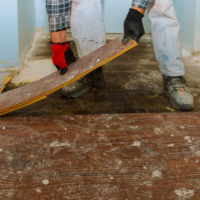
Hardwood and Engineered Wood
Wood flooring repair depends on the extent of damage. Surface scratches can be sanded and refinished. Deep gouges or water-damaged planks usually need replacement of those specific sections.
Refinishing an entire wood floor is a popular middle-ground option. It removes the top damaged layer and restores the original shine without full replacement.
Vinyl and Laminate Flooring
Vinyl flooring is budget-friendly and relatively easy to repair. Damaged sections can often be cut out and replaced with matching pieces. Laminate flooring works similarly, though water damage is harder to reverse.
Both materials have a finite lifespan. Once they show widespread wear, replacement becomes more cost-effective than ongoing patch repairs.
Carpet Flooring
Carpet repair includes patching burns, stains, or tears. Re-stretching loose carpet is another common fix. However, carpets that have absorbed significant moisture or odor usually need full replacement for hygiene reasons.
Concrete and Epoxy Flooring
Concrete flooring is common in warehouses, garages, and industrial spaces. Cracks can be filled and resealed. Epoxy coatings can be reapplied to refresh worn industrial floors without breaking the concrete underneath.
The Flooring Repair and Replacement Process
Understanding the process helps property owners know what to expect. Most professional flooring projects follow a similar structure.
Step 1: Inspection and Assessment
A thorough inspection identifies the root cause of damage. This step also reveals whether repair or replacement is the right path. Professionals check subfloor conditions, moisture levels, and structural integrity.
Step 2: Quotation and Planning
After inspection, a detailed quotation outlines costs, materials, and timelines. This stage also involves selecting flooring types if replacement is needed. Property owners should ask questions and clarify expectations here.
Step 3: Preparation and Removal
For replacement projects, old flooring must be removed first. This includes disposing of old materials responsibly. Any subfloor issues get addressed before new flooring goes down.
Step 4: Installation or Repair Work
Skilled technicians carry out the actual repair or installation. This stage requires precision, especially for matching tile patterns or wood grain. Quality workmanship at this stage determines how long the flooring lasts.
Step 5: Finishing and Quality Check
The final stage includes sealing, polishing, or finishing touches. A quality check ensures everything meets safety and aesthetic standards. Property owners should walk through the space before signing off.
Cost Factors in Flooring Repair and Replacement
Costs vary widely based on several factors. Understanding these helps property owners budget accurately.
Material Type
Natural stone and hardwood cost more than vinyl or laminate. Premium materials also require more skilled labor, increasing overall costs. Mid-range options like ceramic tile balance affordability with durability.
Extent of Damage
Small, isolated repairs cost far less than full replacements. However, hidden damage discovered during inspection can increase costs unexpectedly. This is why thorough inspection upfront matters so much.
Square Footage
Larger spaces naturally cost more to repair or replace. Commercial properties with extensive flooring needs should expect higher overall project costs compared to small residential rooms.
Labor and Location
Labor costs depend on the complexity of the job and local rates. Properties in remote areas might face additional costs for material delivery and technician travel.
Subfloor Condition
If the subfloor needs repair before new flooring installation, this adds to total costs. Skipping subfloor repair to save money often leads to premature flooring failure.
Benefits of Timely Flooring Repair and Replacement
Addressing flooring issues promptly offers several advantages beyond just appearance.
Improved Safety
Fixing cracks, loose tiles, and uneven surfaces reduces trip and fall hazards. This matters greatly in commercial properties where liability is a real concern.
Better Indoor Air Quality
Removing moisture-damaged flooring eliminates mold and mildew sources. This improves air quality for everyone using the space regularly.
Increased Property Value
Updated, well-maintained flooring boosts property value significantly. This matters whether selling, leasing, or simply maintaining a professional image.
Enhanced Energy Efficiency
Sealed, properly installed flooring prevents air leaks. This reduces strain on heating and cooling systems, lowering energy bills over time.
Longer Lifespan for Other Systems
Damaged flooring can hide plumbing leaks or electrical issues underneath. Addressing flooring problems often reveals and prevents bigger system failures elsewhere.
Flooring Maintenance Tips to Prevent Future Damage
Prevention is always cheaper than repair. These simple habits extend flooring lifespan significantly.
Sweep or vacuum floors regularly to remove abrasive dirt particles. Dirt acts like sandpaper, wearing down flooring surfaces over time.
Clean spills immediately, especially on wood and laminate flooring. Standing liquid causes warping and staining within hours, not days.
Use furniture pads under heavy items. This prevents scratches and dents from constant pressure and movement.
Control indoor humidity levels, particularly important in the UAE’s climate. Excess humidity damages wood flooring and weakens tile adhesives over time.
Schedule professional inspections annually. Catching small issues early prevents them from becoming expensive replacement projects later.
Reseal grout and natural stone surfaces periodically. This maintains their protective barrier against moisture and staining.
Commercial vs. Residential Flooring Repair Considerations
Commercial and residential properties have different flooring needs and priorities.
Commercial Properties
Commercial spaces deal with heavier foot traffic and stricter safety regulations. Downtime during repairs affects business operations and revenue directly. This makes scheduling and project speed critical factors.
Commercial flooring also needs to handle specific demands. Retail stores need durable, attractive flooring. Warehouses need industrial-grade concrete or epoxy. Offices need a balance of comfort and professional appearance.
Residential Properties
Residential flooring repair focuses more on comfort, aesthetics, and long-term durability. Homeowners often prioritize matching existing decor and minimizing disruption to daily life.
Residential projects also tend to be smaller in scale. However, the emotional investment in a home’s appearance matters too. It often makes quality and finish details just as important as commercial projects.
Choosing the Right Flooring Repair and Replacement Partner
Selecting a reliable service provider makes all the difference in project outcomes. Here’s what property owners should look for.
Experience across multiple flooring types matters greatly. A provider skilled in tile work might not have the same expertise in hardwood refinishing.
Proper licensing and insurance protect property owners from liability. Always confirm these credentials before signing any contract.
Transparent pricing avoids unpleasant surprises later. Detailed quotations should outline every cost involved in the project.
Positive client reviews and a strong track record indicate reliability. Ask for references or examples of previous completed projects.
Responsive communication throughout the project reduces stress and confusion. A good provider keeps clients updated at every stage.
Frequently Asked Questions
How long does flooring replacement usually take?
Most residential flooring replacement projects take three to seven days. Commercial projects depend heavily on square footage and material type. Larger spaces naturally take longer to complete properly.
Can flooring repair be done without replacing the entire floor?
Yes, in many cases isolated repairs work well for minor, contained damage. However, extensive damage often makes full replacement more practical and cost-effective.
What causes tiles to crack in the first place?
Tiles crack due to heavy impact, structural movement, or poor initial installation. Temperature fluctuations and moisture beneath the tiles also contribute to cracking over time.
Is it cheaper to repair or replace damaged flooring?
Repair is generally cheaper for small, isolated issues. Replacement becomes more cost-effective when damage covers a large area or recurs frequently.
How can property owners tell if their subfloor is damaged?
Signs include uneven surfaces, persistent squeaking, visible sagging, or musty odors. A professional inspection confirms subfloor condition accurately before any repair work begins.
Does flooring replacement add value to a property?
Yes, updated flooring significantly boosts property appeal and value. It’s one of the most noticeable improvements for buyers, tenants, and visitors alike.
How often should flooring be professionally inspected?
Annual inspections work well for most properties. High-traffic commercial spaces may benefit from inspections every six months instead.
What flooring type lasts the longest in UAE conditions?
Porcelain tile and natural stone tend to perform best in the UAE’s climate. They resist heat, humidity, and heavy foot traffic effectively over many years.
Final Thoughts on Flooring Repair and Replacement
Flooring might seem like a small part of property management. In reality, it affects safety, comfort, energy efficiency, and overall value. Ignoring early warning signs almost always leads to bigger problems down the road.
Whether a property needs minor repairs or complete replacement, acting promptly saves money and stress. Choosing experienced professionals ensures the work is done right the first time.
Property owners across the UAE deal with unique flooring challenges due to climate and usage patterns. Working with a team that understands these local conditions makes a real difference in long-term results.
If you need any building services in the U.A.E, contact us. Blue Hawk FZE offers professional flooring repair and replacement services. We also provide a full range of facility management solutions across Sharjah and the wider UAE.
Leave a Reply